
Velux vs Dormer vs Mansard | Which Loft Conversion Takes the Longest?
Planning a loft conversion is exciting. But you’re probably wondering how long it’s actually going to take?
The answer varies depending on the type of conversion you choose.
If you’re planning a loft conversion, you’re in the right place. This guide breaks down realistic timelines for each conversion type, what happens before construction even starts and the factors most likely to push a project over schedule.
How Long Does a Loft Conversion Take?
Here are some loft conversion timelines at a glance:
| Conversion Type | Typical Build Time |
|---|---|
| Velux | 8 – 12 weeks |
| Dormer | 136.9 |
| Mansard | 12 – 16 weeks |
Bear in mind that the above figures cover the construction phase only.
Before a builder even sets foot on site, there is a pre-construction phase, including surveys, design, planning permission and party wall agreements, which can add anywhere from 6 weeks to 6 months, depending on your property and conversion type.
More on that below.
Velux Loft Conversions: 4–6 Weeks
A Velux conversion, which is sometimes called a rooflight conversion, is the fastest option because it doesn’t alter your roofline.
The windows are cut into the existing roof slope, the floor is reinforced and the space is boarded and insulated and you don’t need a new structure built outward or upward.
Typical stage breakdown:
- Structural works and floor reinforcement: 1–2 weeks
- Rooflight installation and weatherproofing: 3–5 days
- Internal fit-out (insulation, boarding, plastering): 2–3 weeks
- Final electrics, flooring and decoration: 1 week
What can slow it down: If your existing roof timbers need reinforcing beyond what the survey anticipated, or if you are adding a bathroom, which requires a plumber and additional trades, expect to add 1–2 weeks.
Best suited to: Properties with sufficient existing head height, typically 2.2 metres or more from joist to ridge. Velux conversions are actually very common in detached and semi-detached homes with steeper-pitched roofs.
Dormer Loft Conversions – 8–12 Weeks
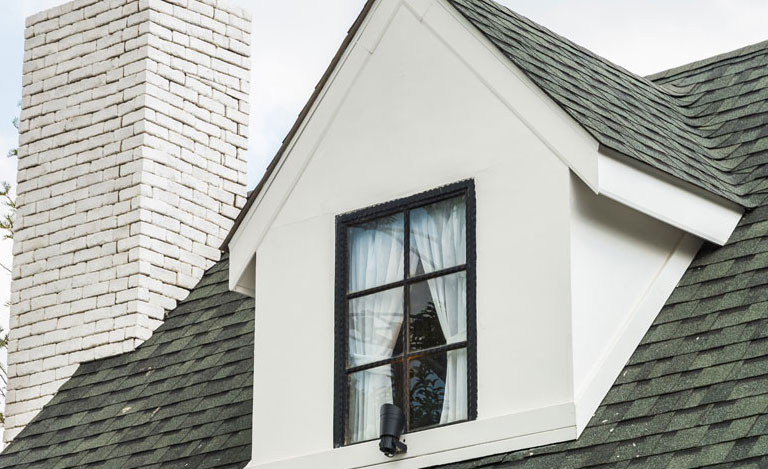
Extending outward from the existing roof slope to create a box-shaped structure with vertical walls and a flat or pitched roof, a dormer loft provides more usable floor area and head height than a Velux, but it requires external structural work, which unfortunately adds more time.
A rough step and timeframe breakdown:
- Scaffolding and structural preparation: 1 week
- Dormer frame and roof structure: 2–3 weeks
- Weatherproofing, cladding and windows: 1–2 weeks
- Internal fit-out (insulation, stud walls and plastering): 3–4 weeks
- Second fix — electrics, plumbing and joinery: 2 weeks
- Decoration and flooring: 1 week
What can slow it down: Party wall agreements with neighbours, common in terraced and semi-detached London homes, must be in place before work begins. If a neighbour disputes or delays signing, this can push your start date back by weeks before a single brick is touched.
Best suited to: Terraced and semi-detached homes where the rear of the property is accessible and planning permission is not required under permitted development rights.
Mansard Loft Conversions: 12–16 Weeks
A Mansard conversion is actually the most extensive of the three.
It involves rebuilding the rear roof slope to near-vertical, usually at 72 degrees and installing a flat roof at the top.
This is a significant structural alteration that requires planning permission in almost all cases and involves multiple trades working in sequence.
Breakdown of typical timeframes:
- Scaffolding and structural preparation: 1–2 weeks
- Roof alteration and new structure: 3–4 weeks
- Weatherproofing, brickwork and windows: 2–3 weeks
- Internal structural walls and floor: 2 weeks
- First fix electrics and plumbing: 1–2 weeks
- Insulation, plastering and boarding: 2–3 weeks
- Second fix and decoration: 2 weeks
What can slow it down: Planning permission for a Mansard conversion typically takes 8–10 weeks to come through from your local authority. In conservation areas, which cover large parts of inner London, the process can take longer and approvals are not guaranteed. So, it’s important to factor this in well before your intended start date.
Best suited to: Victorian and Edwardian terraces, particularly in London, where the roof structure and property style make a Mansard loft the most practical way to maximise usable space.
The Stages That Happen Before Construction Starts
The timelines above cover only the build. Before work begins, there is a pre-construction phase that most homeowners underestimate.
- Initial survey and design: 2–4 weeks
- Planning permission: 8–10 weeks
- Building regulations application: Submitted before or during build, but allow 2–4 weeks for initial approval
- Party wall agreement: Minimum 2 months if neighbours consent promptly — longer if they appoint their own surveyor
Factors Affecting How Long Any Loft Conversion Takes
Regardless of type, these are the factors that most commonly extend a build timeline:
Structural surprises
Older properties, especially pre-1960s homes, sometimes have non-standard timber sizes, rotten joists or inadequate load-bearing walls that only become apparent once work begins. A good structural engineer survey upfront reduces the risk of mid-build surprises.
Additional bathrooms
Adding an en suite or shower room to your loft conversion introduces plumbing and ventilation requirements that require additional trades and coordination. Allow at least 1–2 extra weeks if a bathroom is part of your plan.
Builder availability
Reputable builders in London are often booked 3–6 months in advance. Choosing a builder and securing your slot early, ideally before planning is approved, to keep the project moving.
Weather
External roof work is weather-dependent. Heavy, consistent rain or a hard frost could delay the structural phase. Most professional builders account for this in their programme, but projects starting in October carry more weather risk than those starting in April.
From Empty Roof Space to Finished Room
Whichever loft suits your property, the timeline is as much about preparation as it is about building. Getting your approvals, agreements and trades lined up before work starts is what separates a smooth project from a frustrating one.
Thinking about a loft conversion in London? Get in touch with our team for a no-obligation survey and an honest assessment of what your property can accommodate and how long it will realistically take.