
What to Consider Before Adding a Bathroom in Your Loft Conversion
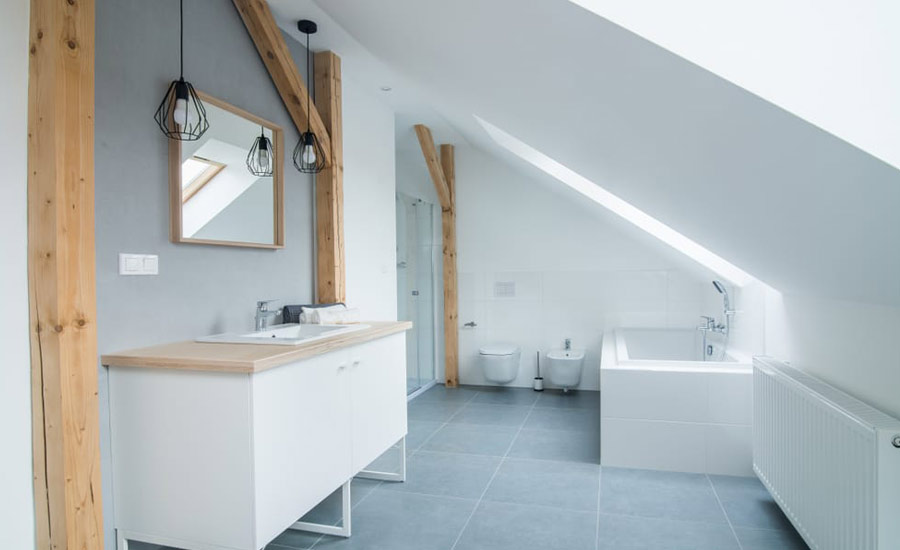
Adding a bathroom to a loft conversion is one of the most popular upgrades for homeowners.
But fitting a bathroom into the roof space isn’t always straightforward. Head height, plumbing and ventilation all matter when deciding if it’s possible — and where it should go. Our guide looks at important factors, including costs and design tips, to help you plan and build a successful loft bathroom.
Where Should a Bathroom Go in a Loft Conversion?
The first thing to consider in a loft bathroom conversion is where it should best be placed. The best place for a bathroom in a loft conversion is under the highest part of the roof, where there’s enough headroom for standing areas, such as the shower or toilet. Positioning it close to existing bathroom plumbing, such as the soil stack from the floor below, keeps costs down. If possible, place the bathroom on an external wall or beneath a dormer for more natural light and ventilation.
Head Height and Layout Requirements
In addition to location, one of the first things to consider when planning a loft bathroom is the headroom. Building regulations for lofts recommend at least 2.2 metres of clear height at the highest point of the loft. Anything less can make the space feel cramped and limit what fixtures you can install.
Showers and toilets should always be placed under the tallest part of the roof so they’re comfortable to use. Sloped areas can be used for bathtubs, fitted cupboards or shelving of choice. For example, a bath positioned under a low slope can feel nice and cosy and make clever use of otherwise awkward space.
It’s also worth thinking about circulation, because you need enough standing space around sinks and doors for the bathroom to function well. An experienced loft designer will map out these zones early to make sure the room works in practice, allowing you to move around and use your new bathroom comfortably.
Loft Bathroom Plumbing and Drainage Considerations
The further the new bathroom is from your existing pipework, the more complex and expensive the job becomes. Ideally, your new loft bathroom should sit directly above or close enough to the main bathroom or kitchen so that the soil stack (the main waste pipe) can be extended upwards without any major rerouting.
Water pressure is another important consideration, as showers and taps at loft level require sufficient pressure to function correctly, and in some homes, the existing system may not be able to cope. In those cases, you might need a pump or a new unvented hot water cylinder to deliver a consistent flow.
Drainage gradients also matter. Waste pipes need a gentle downward slope to allow water to flow away efficiently. This can be tricky in tight spaces, so hiring a loft bathroom building company will be able to plan routes carefully to avoid blockages or bulky boxing-in.
Ventilation and Lighting for Bathroom Lofts
Bathrooms generate a lot of moisture, and when incorporated into a loft conversion, it can quickly lead to condensation, damp and eventually mould if not managed properly. Building regulations require adequate ventilation, usually in the form of an extractor fan with a timed overrun to keep air moving after the light is switched off.
Where possible, it’s best to combine mechanical ventilation with natural airflow. A skylight or dormer window reduces moisture and it also makes the space feel brighter and more open. Positioning a window above the bath or sink also creates a natural focal point.
Lighting is equally important in a loft bathroom and sloped ceilings often create awkward shadows, so a mix of overhead lights and task lighting around mirrors works best. LED spotlights are a popular choice, but adding wall lights or even recessed strip lighting can make the bathroom feel warmer and more inviting, if that’s the aesthetic you’re after.
A well-ventilated, well-lit loft bathroom is easier to maintain, more comfortable to use and a stronger selling point if you ever move house.
Fitting a Bathroom into Limited Space
Loft bathrooms are often compact by nature – especially en-suites, so you need to make the most of every inch:
Choose Space-Saving Fixtures
Compact fixtures such as corner sinks, slimline toilets and walk-in showers can make a loft bathroom much more practical. For smaller lofts, a shower room without a bath may be the most effective option.
Make Use of Sloped Ceilings
The low areas under the eaves don’t need to go to waste. As mentioned previously, they’re ideal for built-in storage, shelving or a bath, leaving the full-height sections free for showers and toilets.
Think About Door Design
Standard inward-opening doors take up valuable floor area. Pocket doors or outward-opening options are far better suited to tight loft bathrooms, maximising usable space.
Keep the Layout Simple
Bear in mind that the more plumbing that needs to be moved, the higher the costs. Positioning the loft bathroom directly above the one below is the most efficient layout, for both space and budget.
Cost of Adding a Bathroom to a Loft Conversion
Adding a bathroom to your loft conversion is an excellent way to use the extra space, but costs will vary depending on the size, type of conversion and finish you choose. Here’s what homeowners can expect:
Typical Cost Ranges
- Velux loft with ensuite: from £20,000–£25,000
- Dormer loft with ensuite: around £40,000–£50,000
- Hip-to-gable or mansard loft with ensuite: £55,000–£65,000+
Note: Costs are usually higher in London and the South East compared with other parts of the UK due to labour and material prices.
What Affects the Price?
- Type of loft conversion – Dormer and mansard are more expensive than Velux.
- Plumbing & drainage – The further from existing soil stacks, the more costly.
- Water pressure upgrades – Pumps or new cylinders may be needed.
- Finishes & fixtures – Tiles, sanitaryware, flooring and lighting choices make a big difference.
- Access & location – Terraced homes often need scaffolding and careful logistics.
- Permissions & compliance – Party wall agreements, building regs or planning fees.
Extra Costs to Budget For
- Structural engineer’s report if joists need strengthening.
- Party wall survey (this is common in London terraces).
- VAT, permits and inspection fees.
- Scaffolding, waste removal and site protection.
- A 10–15% contingency for unexpected issues, like hidden wiring or roof repairs.
Is It Worth the Investment?
Yes, because an ensuite loft conversion could add up to 20% to the value of a London home, making it one of the most cost-effective ways to increase space and property appeal. It’s worth noting that combining the bathroom with the loft build from the start is usually cheaper than adding it later.
Loft Bathrooms in London Homes
A loft bathroom can transform your conversion into a practical, self-contained space. While you’ll need to consider head height, plumbing and ventilation, most London homes can accommodate one with the right planning. The best part is that this investment will improve day-to-day living while adding real value to your property.